PROJECTS
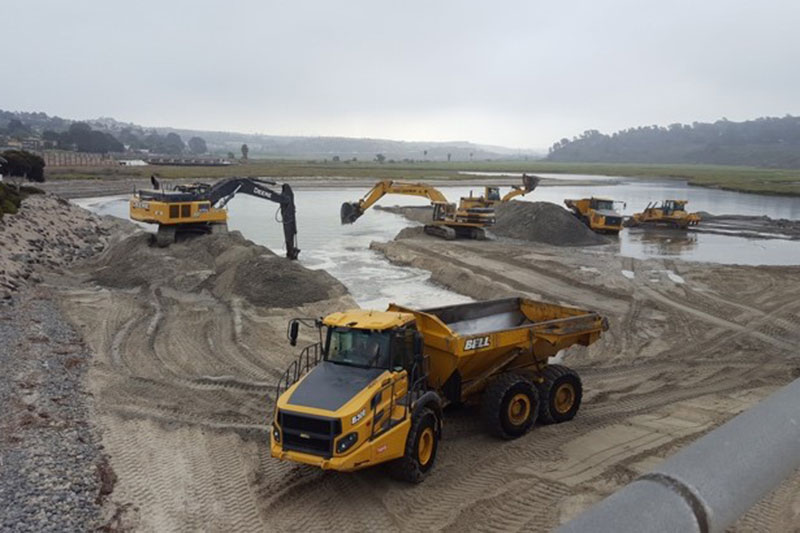
Annual Inlet Maintenance
Since 1985, LPLF has performed mechanical openings of the inlet to restore tidal connectivity within lagoon channels to preserve and protect lagoon health and to reduce airborne vectors that thrive during extended inlet closures. Click on the image to find out more and recent efforts to keep the inlet open.

Torrey Pines Living Shoreline Project
LPLF is currently working with CA State Parks and the City of San Diego to develop an approach to protect and preserve Torrey Pines State Beach and adjacent transportation infrastructure from coastal storm damage using nature-based solutions for coastal resource and infrastructure resiliency through the long term.
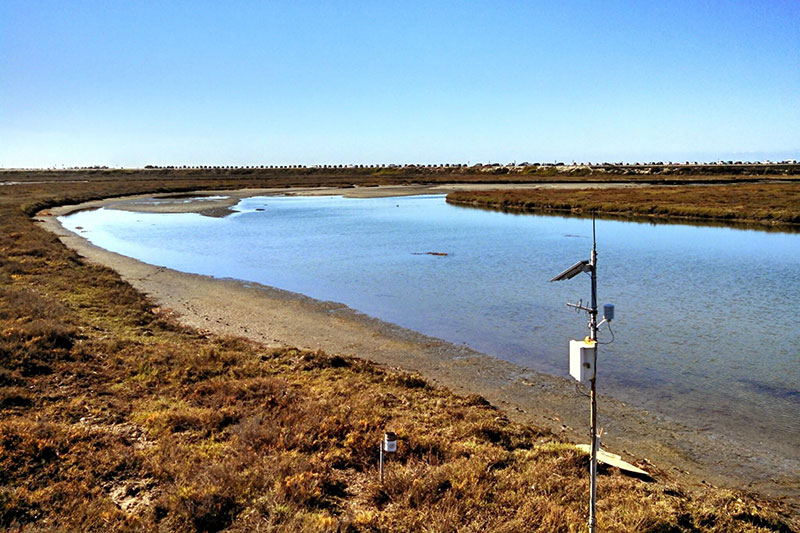
Annual Biological Monitoring Program
Started by Joy Zedler and the Pacific Estuarine Research Lab in 1987, the Los Peñasquitos Lagoon Monitoring Program is the longest continuous monitoring program in southern California coastal wetlands. The program was recently expanded to include 4 continuous water quality monitoring stations with telemetry to provide real-time access to data sets and lagoon conditions including inlet grading, and floodway management improvements
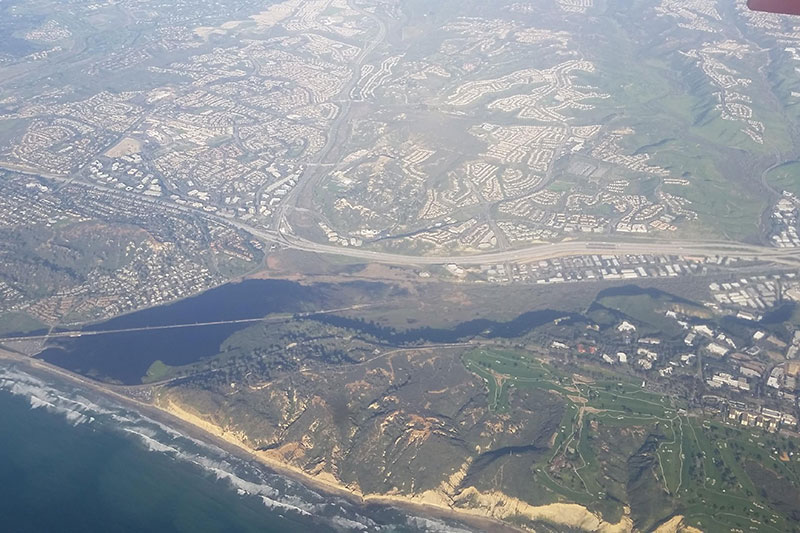
Design & Feasibility Study for Phase 1 Pilot Restoration Project
LPLF is currently working with key stakeholder groups to develop a pilot project that will be used to inform large-scale restoration of Los Peñasquitos Lagoon’s native salt marsh. The project will incorporate channel modifications, small-scale to help restore up to 23 acres of salt marsh habitat in the Lagoon.

Re-Design of the Torrey Pines North Beach Parking Lot
LPLF is working with State Parks and key stakeholders to preserve long-term public access to North Torrey Pines Beach through the re-design of the Torrey Pines North Beach Parking Lot to make it resilient to flooding from projected sea level rise scenarios. Additional project benefits include the recovery of up to 2 acres of coastal dune and coastal sage scrub habitat, passive restoration and enhancement of tidal salt marsh through improved hydrology, a new lifeguard station and public use facility, replacing the current failed revetment along the North Lot’s southern edge with nature-based armoring, and a Tribal gathering area with exhibits that acknowledge Kumeyaay presence, tradition and ancestral connections to the coastal areas along Torrey Pines since time immemorial.
Invasive Plant Management
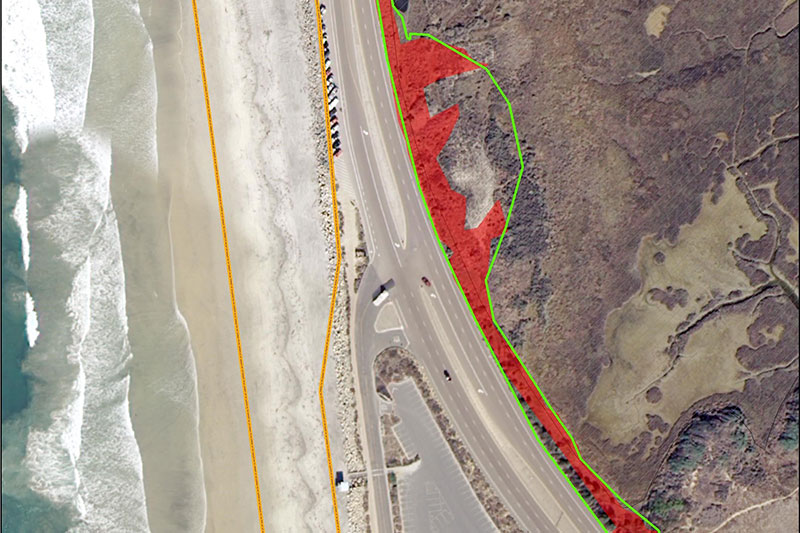
LPLF coordinates efforts with California State Parks to help manage invasive plants in Los Peñasquitos Lagoon. Efforts include removal of exotic species followed by reestablishment of native species on various scales. LPLF is currently working with California State Parks and Southern California Edison to plan the restoration of 2 acres of salt marsh, dune and transitional habitats in an area currently dominated by invasive species that include Carpobrotus edulis, Acacia latifolia and Ehrharta longiflora.
 Live conditions
Live conditions
 Volunteer
VolunteerWant to Volunteer? Please email us for more detials.
 Publications
Publications